Not all promotional products are created equal. Some are handed out and forgotten. Others are kept, used, and quietly represent your brand for years.
So how do leather and plastic really compare when it comes to business gifts and branded items?
First impressions matter
Plastic promotional products are often chosen for one reason: cost. They’re easy to produce in bulk and can carry a logo quickly and cheaply.
But that low cost usually shows in the experience. Lightweight feel, short lifespan, and a “temporary” impression can make the brand feel the same way.
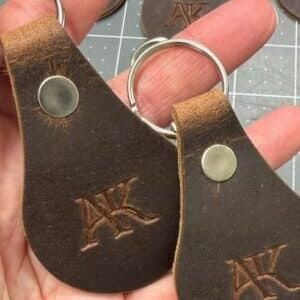
Leather, on the other hand, tells a different story. It feels intentional the moment it’s picked up. There’s weight, texture, and a sense of care behind it.
Longevity changes everything
Plastic items tend to have a short life cycle. Pens run out, keychains break, and many end up forgotten in drawers or landfills.
Leather products age differently. They soften, develop character, and often become more useful over time. That means your brand stays in someone’s daily routine, not just their giveaway bag.
Perceived value and brand alignment
A plastic item says “mass produced.”
A leather item says “thoughtful, established, and worth keeping.”
If your brand relies on trust, relationships, or long-term service, that difference matters. The material you choose becomes part of your message.
Sustainability and waste
Plastic promotional products often contribute to single-use culture. Even when they’re technically reusable, they’re rarely designed to last.
Leather products, especially full-grain leather goods, are built for durability. Fewer replacements means less waste over time and a more considered approach to gifting.
Cost vs impact
Plastic wins on upfront cost.
Leather wins on long-term impact.
The real question is not “what costs less today” but “what represents my brand better over time.”
The takeaway
Promotional products are not just giveaways. They are small extensions of your business.
Plastic is temporary.
Leather is memorable.
And in most cases, what people remember is not how many items they received, but which ones they kept.